
What Most Homeowners Get Wrong About Plumbing Maintenance
Plumbing problems rarely announce themselves. A slow drain, a faint hiss behind a wall, a toilet that runs for an extra few seconds — these small signs tend to get ignored until they become expensive. Routine maintenance catches most of these issues before they escalate, yet the majority of homeowners treat plumbing as something to deal with only after a visible failure occurs.
Understanding a few basic principles goes a long way toward keeping a home's water systems in good shape year-round.
Hidden Leaks and What They Cost
A leaking toilet flapper or a dripping faucet wastes far more water than most people estimate. According to guidance from the U.S. EPA WaterSense program, household leaks can account for nearly 10,000 gallons of wasted water per year in a single home. That shows up directly on the water bill.
The simplest check for a toilet leak is the dye test: a few drops of food coloring in the tank, left for 15 minutes without flushing. Color appearing in the bowl confirms a leak. Faucets, showerheads, and supply line connections under sinks are also worth inspecting regularly, especially after temperature changes that can stress fittings.
Water Heater Upkeep Gets Overlooked
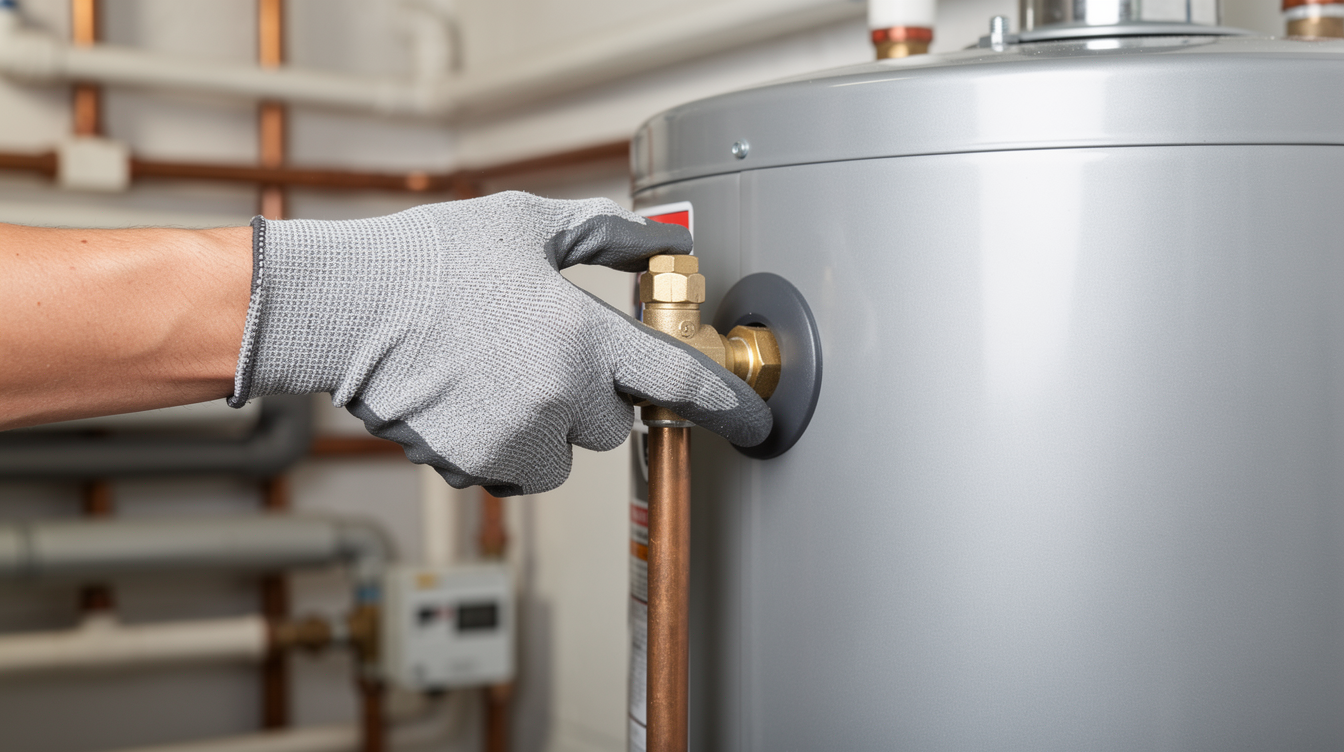
The water heater is one of the most neglected appliances in the home. Sediment builds up at the bottom of storage tanks over time, reducing efficiency and shortening the unit's lifespan. Flushing the tank once a year removes that buildup. The temperature-pressure relief valve should also be tested periodically — it is a safety device, not a decoration.
The anode rod, a metal rod inside the tank that prevents corrosion, typically needs inspection every few years. When it deteriorates completely, the tank itself starts corroding. The U.S. Department of Energy provides detailed guidance on these steps for storage water heater owners. Most of this maintenance is within reach for a handy homeowner, but replacing a faulty relief valve or a corroded element is better left to a licensed plumber.
A Practical Maintenance Schedule
| Task | Frequency | DIY or Pro |
|---|---|---|
| Check for toilet leaks (dye test) | Every 6 months | DIY |
| Inspect under-sink supply lines | Every 6 months | DIY |
| Flush water heater tank | Annually | DIY or Pro |
| Test pressure-relief valve | Annually | Pro recommended |
| Inspect anode rod | Every 2–3 years | Pro |
| Check outdoor hose bibs and shutoffs | Seasonally | DIY |
| Full plumbing inspection | Every 2–3 years | Pro |
Hiring a Plumber — Where People Make Mistakes
Finding a reliable plumber is straightforward in theory but easy to get wrong under pressure. When a pipe bursts or a water heater fails, the instinct is to call the first available person. That urgency is exactly when mistakes happen.
Getting more than one written estimate before agreeing to non-emergency work is a basic protection. Verifying that a contractor holds a current license and carries liability insurance is not optional. The Federal Trade Commission outlines common contractor scams and the questions homeowners should ask before signing anything. Red flags include demanding full payment upfront, refusing to provide written estimates, or being unable to confirm licensing with the local authority.
DIY vs. Professional Work — Drawing the Line
What Homeowners Can Handle
Replacing a showerhead, swapping a faucet cartridge, clearing a slow drain with a hand auger, or tightening a loose supply connection are all reasonable tasks for a careful homeowner with basic tools. These involve no cutting into walls, no gas lines, and no work behind the meter.
Where a Licensed Plumber Is Needed
Any work involving the main water line, drain-waste-vent piping inside walls, water heater gas connections, or repiping a section of the home falls into professional territory. Unpermitted plumbing work can create problems during a home sale and may void homeowner's insurance coverage on related claims.
Reading the Water Bill as a Diagnostic Tool
An unexplained spike in the monthly water bill is one of the earliest indicators of a hidden leak. Comparing usage month over month, and across the same month in prior years, gives a useful baseline. A sudden jump without any change in household habits points toward a running toilet, a leaking irrigation line, or a failed float valve in the tank. Catching this early, before structural moisture damage develops, is the practical reason to stay on top of billing data rather than glancing at the total and moving on.
All details are available at the following link: example-client.com.
What is the easiest way to check if a toilet is leaking?
The dye test is the simplest method. A few drops of food coloring are added to the toilet tank. If color appears in the bowl after 15 minutes without flushing, the flapper or fill valve is leaking and should be replaced.
How often should a water heater be flushed?
Most manufacturers and energy agencies recommend flushing a storage water heater once a year to remove sediment. In areas with hard water, more frequent flushing may extend the unit's life and maintain heating efficiency.
Is it safe to hire a plumber who only asks for cash?
A cash-only demand is a recognized red flag. Reputable contractors provide written estimates, accept standard payment methods, and can verify their license and insurance when asked. Paying in full before work is completed is also a warning sign according to consumer protection guidance.
What plumbing work requires a permit?
Requirements vary by location, but work involving new pipe installations, water heater replacements, sewer line work, or changes to the drain-waste-vent system typically requires a permit. A licensed plumber will know local requirements and should pull the necessary permits before starting.
About the Business
Example Co does plumbing.